📧 Email: scooter1@leadwaycn.com
📞 Whatsapp/Tel: +8613480102329
-
Uncategorized
g mex electric scooter liideway manufacturer
-
Uncategorized
electric scooter tayer siz10.2.50 liideway manufacturer
-
Uncategorized
Best Electric scooter Top14 Best liideway factory
-
Uncategorized
200 watt electric scooters liideway manufacturer
-
Uncategorized
Top 8 electric scooter liideway factory
- Uncategorized
g mex electric scooter liideway manufacturer
- Uncategorized
electric scooter tayer siz10.2.50 liideway manufacturer

- Uncategorized
Best Electric scooter Top14 Best liideway factory
- Uncategorized
200 watt electric scooters liideway manufacturer
- Uncategorized
Top 8 electric scooter liideway factory

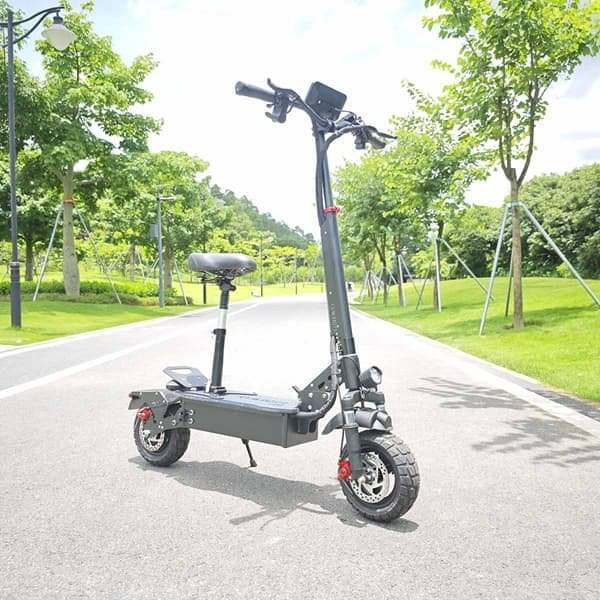


Electric Scooter Charging Stations: The Future of Urban Mobility
As electric scooters continue to revolutionize urban transportation, the need for accessible charging infrastructure becomes increasingly important. Companies like LIIDEWAY, which primarily manufactures high-end electric scooters, including dual-drive models, are at the forefront of this movement. By offering reliable, high-quality scooters with customer customization options and competitive pricing, LIIDEWAY is driving innovation and growth in the electric scooter industry. However, to support the widespread use of these scooters, the development of electric scooter charging stations is essential.
This article explores the concept of electric scooter charging stations, their benefits, and the impact they could have on the future of sustainable urban mobility.
The Growing Need for Electric Scooter Charging Stations
As electric scooters become more popular, especially in dense urban areas, the need for a robust charging infrastructure grows alongside it. Currently, most electric scooter users rely on home charging solutions, which can be inconvenient for people without private garages or easy access to power outlets. Additionally, the limited range of electric scooters, often between 20-50 miles per charge, means that frequent recharging is necessary, especially for commuters.
Charging stations strategically placed throughout cities would offer electric scooter users the freedom to travel longer distances without worrying about battery life. This, in turn, encourages more people to adopt electric scooters as a primary mode of transport, supporting cities’ goals of reducing traffic congestion and cutting down on carbon emissions.
How Electric Scooter Charging Stations Work
Electric scooter charging stations function similarly to electric vehicle (EV) charging stations. These stations can either offer plug-in chargers or wireless charging pads where users can dock their scooters for charging. Here are two primary types of scooter charging solutions:
- Docking Stations: These are equipped with standard charging ports where riders can lock their scooters while the batteries recharge. Such stations are ideal for busy city locations, ensuring that scooters are charged while safely secured.
- Battery Swapping Stations: In this model, riders can simply exchange their depleted battery for a fully charged one in a matter of minutes. This innovative solution eliminates waiting time for charging, making it especially convenient for users in a hurry.
Both types of stations would need to be strategically placed in high-traffic areas like shopping centers, public transportation hubs, office parks, and residential complexes. Integration with apps can help users locate the nearest available charging station, check charging status, and pay for services.
Advantages of Electric Scooter Charging Stations
The introduction of electric scooter charging stations presents several benefits to both users and cities. Below are some key advantages:
- Convenience: Charging stations provide users with accessible locations to charge their scooters on the go, minimizing downtime and maximizing usability. It eliminates the dependency on home charging, allowing users to travel farther distances without worrying about battery depletion.
- Encouraging Sustainable Transportation: By making charging stations more available, cities can promote the use of electric scooters as an alternative to cars, helping to reduce emissions, traffic congestion, and air pollution.
- Scalability: With more charging stations in place, cities can support larger fleets of shared electric scooters, enabling mobility providers to scale their operations effectively. This benefits businesses like LIIDEWAY, which focuses on rapid product development and market growth, by making their products more attractive to both individual users and fleet operators.
- Revenue Generation: Charging stations can serve as revenue-generating opportunities for businesses and local governments. Users could be charged based on the time spent charging or the amount of electricity consumed, providing a steady income stream for station operators.
- Support for E-commerce Growth: LIIDEWAY, which is seeking to expand through e-commerce partnerships, can benefit significantly from the presence of a robust charging infrastructure. E-commerce platforms offering electric scooters can bundle charging station locations as part of the user experience, making it easier for consumers to adopt scooters as a long-term transportation solution.
Challenges in Implementing Charging Stations
Despite the numerous advantages, the development of electric scooter charging stations faces some challenges. Some of the key hurdles include:
- Initial Costs: Installing charging stations can be costly, requiring significant investment in infrastructure, especially in cities that lack existing electric vehicle support.
- Vandalism and Theft: As public infrastructure, charging stations could be prone to vandalism or theft, especially in areas without adequate security measures.
- Energy Demand: Scaling up electric scooter charging stations could lead to increased electricity demand, requiring cities to upgrade their grid capacity and invest in renewable energy sources to meet sustainability goals.
- Standardization: As more scooter manufacturers, like LIIDEWAY, enter the market, charging station providers must ensure standardization across different scooter models, ensuring compatibility and user-friendliness.
Conclusion: Charging Stations Will Drive the Future of Electric Scooters
Electric scooter charging stations are essential to the future of urban mobility. They offer numerous benefits, from greater convenience for users to encouraging sustainable transportation practices. Companies like LIIDEWAY, which focus on innovation, quality, and market growth, stand to benefit greatly from the rise of charging infrastructure, as it will make their products more practical for everyday users.
By overcoming challenges like installation costs and standardization, cities and businesses can work together to build a comprehensive charging network that supports the growing popularity of electric scooters, paving the way for greener, smarter, and more efficient transportation systems in the future.
- Uncategorized
g mex electric scooter liideway manufacturer
- Uncategorized
electric scooter tayer siz10.2.50 liideway manufacturer
- Uncategorized
Brand Electric scooter In china liideway factory
- Uncategorized
Top 18 Electric scooter Top 17 liideway factory
- Uncategorized
Top 12 Electric scooter Top5 Best liideway factory

You maybe Like:
- electric scooter charging station
- einyrid electric scooter parts
- eagle electric scooter
- 48v 16ah electric scooter
- three wheel electric scooter foldable
- 4 weeks electric scooter
- 4 weeks electric scooter
- jinhua ripu electric scooters
- Uncategorized
g mex electric scooter liideway manufacturer
- Uncategorized
electric scooter tayer siz10.2.50 liideway manufacturer
- Uncategorized
zoomer electric scooter liideway manufacturer
- Uncategorized
Top 9 Electric scooter Top7 Best liideway factory
- Uncategorized
Top 19 Electric scooter New fashion liideway factory
- Uncategorized
Top 1 Electric scooter Import liideway factory
- Uncategorized
Top 7 Electric scooter Top Best liideway factory
- Uncategorized
Top 12 Electric scooter New model liideway factory
LIIDEWAY most popular Electric scooter are linked below:
T1 Single Motor 10inch off road tire
T1Pro Double motor 48v 23AH battery
T14 Single Motor 12inch city road tire
T6(Double motor)
T7 Double motor 11inch off road tire
T8 Double motor 60v 20AH battery
T9(Double motor)
T10 Double motor 11inch off road tire
LW3-Wheel(3wheel)
T5 Double motor 72v 50AH battery
T4 Double motor 60v 20AH battery
T11 Double motor Acrylic LED board
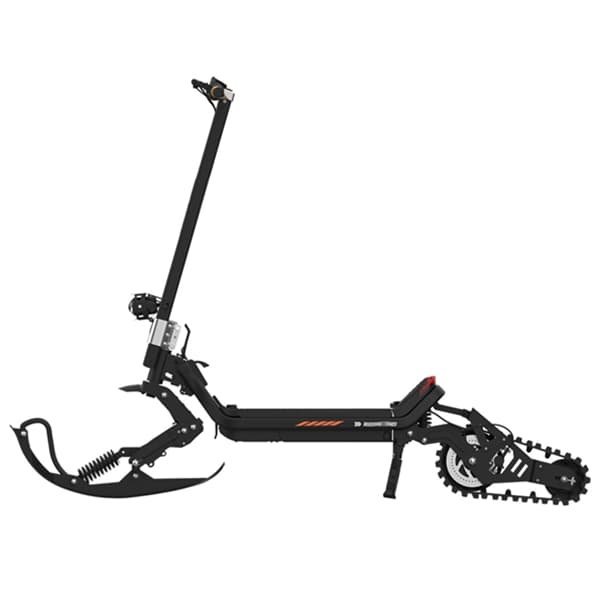
T13 Electric Snow Scooter 1500w motor
More Blogs of interest:
- electric scooter xiaomi pro 2
- electric scooter evo 800w
- 48v 15a electric scooter battery
- 48v 15a electric scooter battery
- electric scooter adults free shipping 6000w
- electric scooter evo 800w
- electric scooters dukati
- what is call double motor 4000w2 electric scooter
- www.liideway.com
www.leadwaycn.com
www.prxel.com
www.elctrs.com
www.mdcem.com
www.elxpros.com
www.fame5.com
www.myqex.com
www.liidewayscooter.com
www.bikesscooter.com
www.scootersbike.com
www.rilla.com.cn
www.imovingon.com
www.goocycle.com
www.igoofast.com
www.scooterelectric.cn
www.bikeelectric.cn