📧 Email: scooter1@leadwaycn.com 📞 Whatsapp/Tel: +8613480102329
The Potential Harms of Electric Scooters: A Closer Look
Electric scooters have grown in popularity in recent years, providing a convenient, eco-friendly, and cost-effective mode of transportation. LIIDEWAY, a company known for its high-end, customizable electric scooters, has been at the forefront of innovation in this sector. However, despite the many benefits electric scooters offer, there are growing concerns regarding the potential harms they may pose to users, pedestrians, and urban environments. This article explores these risks and sheds light on some of the safety challenges associated with electric scooters.
1. Increased Risk of Accidents
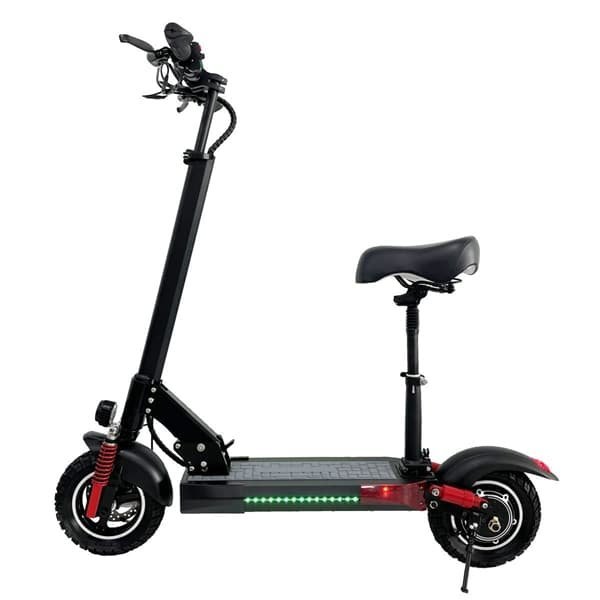
One of the most commonly cited concerns with electric scooters is the increased risk of accidents. While electric scooters are designed to be a convenient transportation option, they often operate at high speeds¡ªsome models even reach 25 mph or more. Dual-drive models like those produced by LIIDEWAY can offer powerful performance, which is great for the user, but may heighten the risks in urban settings.
Accidents can happen for various reasons: inexperienced riders, poor road conditions, or mechanical failure. In some cities, the lack of dedicated scooter lanes forces riders to share the road with cars or buses, which significantly increases the likelihood of collisions. Injuries from scooter accidents range from minor scrapes to more severe outcomes like fractures, head trauma, or even fatalities.
2. Pedestrian Safety Concerns
Another area of concern is the impact electric scooters have on pedestrian safety. Many urban areas do not have clear regulations or infrastructure to separate scooters from pedestrian pathways, leading to frequent interactions between riders and walkers.
Reckless or inexperienced scooter users can pose a danger to pedestrians, especially when riding on sidewalks, which in many places is illegal. Even when operated responsibly, scooters can surprise pedestrians due to their relatively quiet engines, leading to potential conflicts or accidents. In cities where scooters are commonly used for e-scooter sharing, abandoned scooters left on sidewalks also create a tripping hazard for those walking by.
3. Environmental Impact: The Hidden Harms
At first glance, electric scooters seem like a highly eco-friendly mode of transportation, as they produce zero direct emissions and reduce traffic congestion. However, when taking a closer look at their full life cycle, there are some environmental concerns that shouldn¡¯t be ignored.
Manufacturing electric scooters requires materials like lithium for batteries, aluminum for the frame, and other metals, all of which involve energy-intensive extraction processes. Additionally, while electric scooters may reduce vehicle use, the short lifespan of some scooters¡ªespecially in shared fleets¡ªleads to a high turnover rate, contributing to electronic waste. In many cases, shared scooters may last only a few months before they are scrapped. The disposal of used batteries and scooters further adds to the environmental toll.
4. Maintenance and Reliability Issues
Though LIIDEWAY prides itself on the quality and reliability of its scooters, electric scooters, in general, can suffer from mechanical issues, especially if used frequently or improperly maintained. For many users, electric scooters represent a daily commuting option, meaning they endure significant wear and tear.
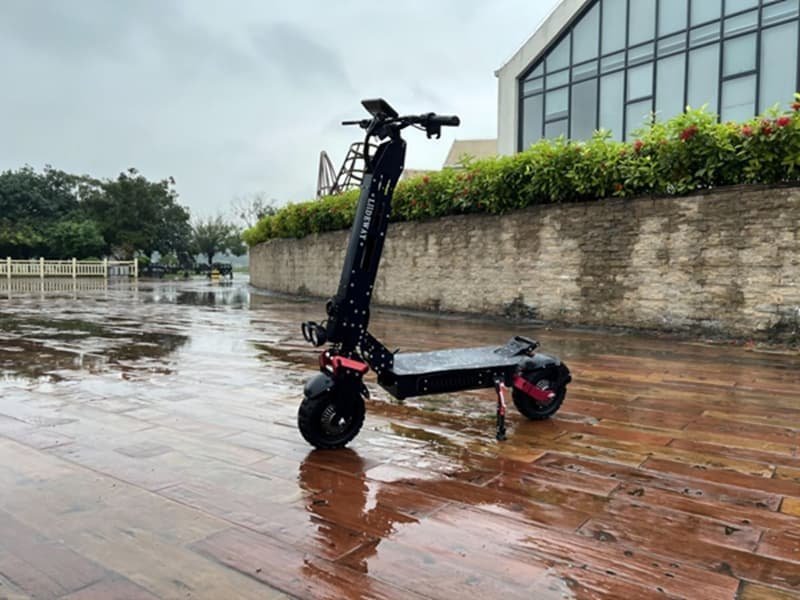
Poor maintenance can lead to sudden breakdowns that compromise the safety of the rider. This could be something as minor as a flat tire or as serious as a brake failure at high speeds. Additionally, regular exposure to harsh weather conditions, such as rain, can cause electrical components to malfunction, further increasing the risk of accidents.
5. Limited Regulations and Safety Standards
Electric scooters, as a relatively new form of transportation, are still operating within a framework of inconsistent or evolving regulations in many parts of the world. Some cities have embraced them, while others struggle to integrate scooters into their transportation system safely.
In many regions, there is a lack of clear safety standards for scooters themselves, such as guidelines around speed limits, helmet use, or rider age. Without strict enforcement, it is common to see riders flouting safety rules, riding without helmets, or carrying passengers on vehicles designed for a single person. Such behavior significantly raises the potential for harm.
6. Solutions for Mitigating the Risks of Electric Scooters
Despite these concerns, electric scooters remain a valuable and sustainable transportation solution when used responsibly. Companies like LIIDEWAY are working to address some of the risks through innovation and quality control. Here are some key strategies that could help mitigate the harms associated with electric scooters:
- Improved Infrastructure: Cities can invest in better infrastructure, such as dedicated scooter lanes, to keep riders separate from cars and pedestrians. This reduces the likelihood of accidents and conflicts.
- Stricter Regulations: Implementing and enforcing more stringent safety standards¡ªsuch as mandatory helmet use, speed limits, and scooter maintenance checks¡ªcan help improve the overall safety of electric scooters.
- Public Education: Educating both riders and the general public on scooter safety can go a long way in reducing accidents. Initiatives could include mandatory safety training for new users or public campaigns on pedestrian awareness.
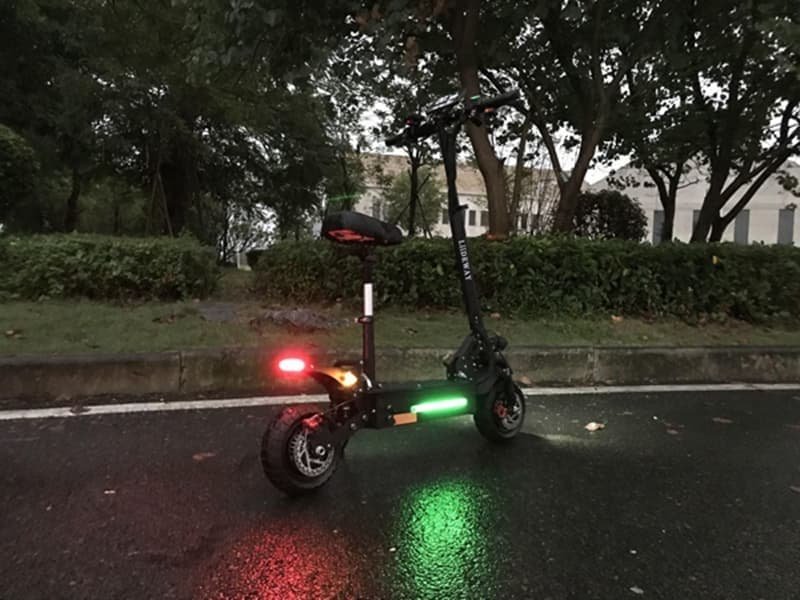
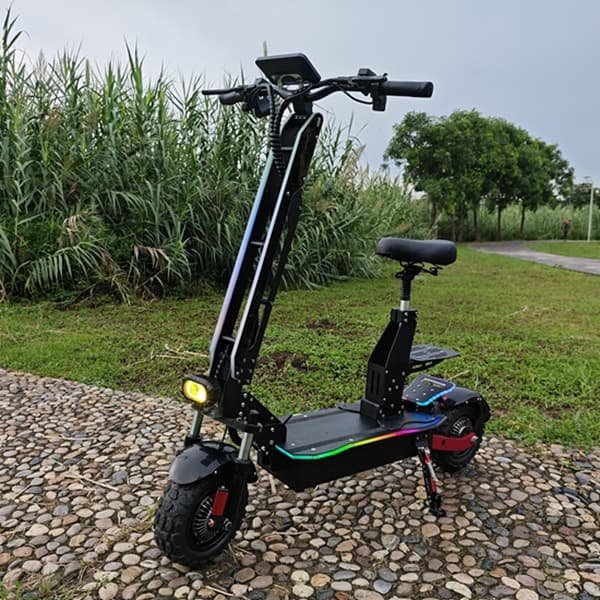
- Technological Innovations: Companies like LIIDEWAY, which have strong development capabilities, can lead the way in producing safer scooters. Features like automatic braking systems, improved suspension, and enhanced visibility lighting can help protect both riders and pedestrians.
Conclusion
Electric scooters provide an exciting and efficient alternative to traditional transportation, but it¡¯s important to recognize the potential harms they can pose. From accidents to environmental concerns, the widespread use of electric scooters comes with significant challenges. However, through better regulation, public awareness, and ongoing technological improvements, these risks can be minimized, ensuring that electric scooters continue to be a valuable and safe transportation option in urban environments.
For companies like LIIDEWAY, the challenge is balancing innovation with responsibility, ensuring that their high-performance scooters can be enjoyed safely and sustainably by all.
- Uncategorized
g mex electric scooter liideway manufacturer
- Uncategorized
electric scooter tayer siz10.2.50 liideway manufacturer

- Uncategorized
Brand Electric scooter In china liideway factory
- Uncategorized
Top 18 Electric scooter Top 17 liideway factory
- Uncategorized
Top 12 Electric scooter Top5 Best liideway factory

You maybe Like:
- electric scooter harms
- mini scooter electric adults
- dualtron x limited electric scooter 84v 60ah dual
- hb electric scooter
- blue electric scooter
- electric scooter tail light
- electric scooter tail light
- mini 2 seater electric scooter
- Uncategorized
g mex electric scooter liideway manufacturer
- Uncategorized
electric scooter tayer siz10.2.50 liideway manufacturer
- Uncategorized
Top 20 Electric scooter Top 8 liideway factory
- Uncategorized
p1 electric scooter liideway manufacturer
- Uncategorized
Top 8 Electric scooter Made in china liideway factory
- Uncategorized
Top Electric scooter Top2 Best liideway factory
- Uncategorized
Made in china Electric scooter In china liideway factory
- Uncategorized
Factory Electric scooter Top16 Best liideway factory
- Uncategorized
Top 3 Electric scooter Top 13 liideway factory
LIIDEWAY most popular Electric scooter are linked below:
T1 Single Motor 10inch off road tire
T1Pro Double motor 48v 23AH battery
T14 Single Motor 12inch city road tire
T6(Double motor)
T7 Double motor 11inch off road tire
T8 Double motor 60v 20AH battery
T9(Double motor)
T10 Double motor 11inch off road tire
LW3-Wheel(3wheel)
T5 Double motor 72v 50AH battery
T4 Double motor 60v 20AH battery
T11 Double motor Acrylic LED board
T13 Electric Snow Scooter 1500w motor
More Blogs of interest:
- 70 mph electric scooter
- city gogo electric scooter
- segway ninebot gt2 electric scooter
- segway ninebot gt2 electric scooter
- electric scooter with salt
- kids electric kick scooter
- motor for electric scooter 40§Ü§Þ
- electric scooters terrain
- www.liideway.com
www.leadwaycn.com
www.prxel.com
www.elctrs.com
www.mdcem.com
www.elxpros.com
www.fame5.com
www.myqex.com
www.liidewayscooter.com
www.bikesscooter.com
www.scootersbike.com
www.rilla.com.cn
www.imovingon.com
www.goocycle.com
www.igoofast.com
www.scooterelectric.cn
www.bikeelectric.cn
www.factorysz.com
https://www.liideway.com/products/electric-bike-bicycle-e-bike-fat-tire-adult-20-inch-e20https://www.liideway.com/products/electric-bike-for-adults-750w-motor-foldable-bikes-liideway-zl2006
https://www.liideway.com/products/electric-scooter-review-with-seat-adults-lights-liideway-g1
https://www.liideway.com/products/top-self-balancing-electric-scooter-segway-hoverboard-liideway-w5
https://www.liideway.com/products/electric-bicycle-for-adults-750w-motor-foldable-bikes-usa-stock-free-shipping
https://www.liideway.com/products/electric-bike-for-adults-750w-motor-foldable-bikes-liideway-2006-a
https://www.liideway.com/products/electric-ebike-for-adult-750w-motor-e-bike-bike-usa-stock-free-shipping
https://www.liideway.com/products/adults-electric-bike-20x-4-fat-tires-1000w-powerful-motor
https://www.liideway.com/products/electric-bicycle-for-sale-electric-dirt-bike-powerful-supplier-wholesale
https://www.liideway.com/products/best-electric-bike-for-adults-near-me-whole-sale